Mobile Security
How to Remove Malware from iPhone: The 2026 Step-by-Step Guide
Think your iPhone has a virus? Here's exactly how to detect, remove, and prevent malware on iPhone in 2026 — covering Pegasus-style spyware, malicious profiles, sketchy VPNs, calendar spam, and the iOS 18/19 reset steps Cybrvault uses for clients.
Can iPhones actually get malware in 2026?
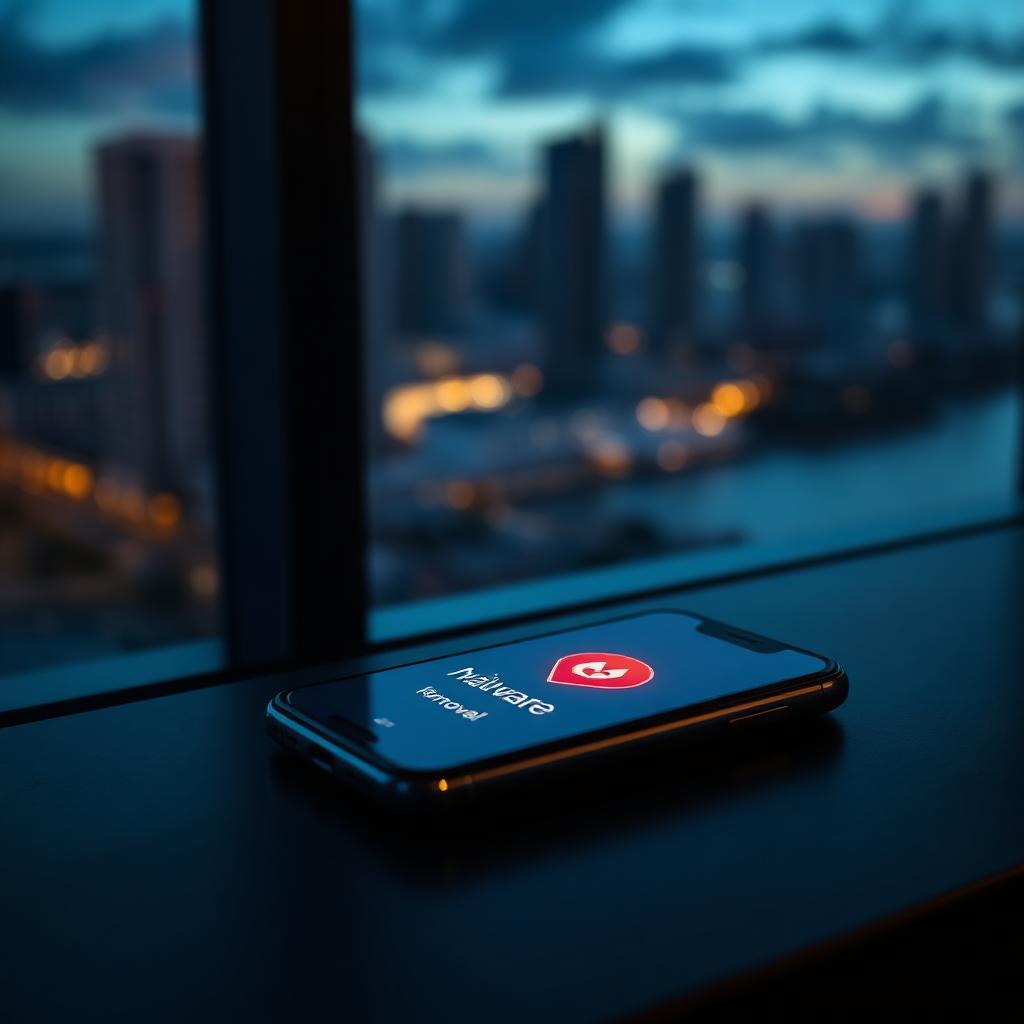
Short answer: yes — just not the way Windows PCs do. Apple's iOS sandbox prevents apps from touching each other's data, and the App Store review process blocks the vast majority of classic viruses. But "my iPhone can't get hacked" is one of the most expensive myths in personal cybersecurity, and at Cybrvault we wipe spyware off iPhones in Miami almost every week.
In 2026 the real iPhone threats are: commercial spyware (Pegasus, Predator, Reign), malicious configuration profiles installed during a fake "IT setup" or sketchy VPN install, calendar invite spam that redirects to phishing, browser-based scam pop-ups that look like "Apple Security Alerts," and stalkerware installed by an abusive partner who knows your passcode.
Warning signs your iPhone has malware or spyware
- Battery drains noticeably faster than a week ago, even on the same iOS version.
- The phone runs hot when idle or in your pocket.
- Cellular data usage spikes for no reason (check Settings → Cellular).
- Safari opens random tabs, redirects, or shows "Your iPhone has been compromised" pop-ups.
- Calendar is full of invites for "Click here to claim," McAfee, or adult sites.
- Apps you don't remember installing appear on the home screen.
- A configuration profile is installed (Settings → General → VPN & Device Management).
- iMessage/SMS shows messages you didn't send, or contacts say you're sending links.
- Find My, Screen Time, or iCloud settings change without you doing it.
Two or more of those at once? Treat the phone as compromised and work through the steps below in order.
How to remove malware from iPhone (step-by-step)
Step 1 — Update to the latest iOS
Settings → General → Software Update → Update Now. Many iPhone infections in 2026 rely on patched WebKit and ImageIO bugs. Updating alone neutralizes a huge percentage of active payloads. Enable Automatic Updates and Rapid Security Responses while you're there.
Step 2 — Clear Safari history and website data
Settings → Apps → Safari → Clear History and Website Data. This kills browser-based scam pop-ups, fake virus alerts, and tracking cookies. Then in Safari → Settings → enable Fraudulent Website Warning, Block Pop-ups, and Privacy Preserving Ad Measurement.
Step 3 — Delete suspicious apps
On the home screen, long-press any app you don't recognize → Remove App → Delete App. Pay special attention to free "VPN," "cleaner," "battery saver," "QR reader," or "flashlight" apps — these are the most common stalkerware and adware wrappers on iOS.
Step 4 — Remove malicious configuration profiles
This is the #1 fix most people miss. Settings → General → VPN & Device Management. If you see ANY profile you didn't intentionally install (especially ones from "MDM," random company names, or anything tied to a free VPN you tried), tap it → Remove Profile → enter your passcode. Profiles can route your traffic, install root certificates, and read everything you type.
Step 5 — Kill the calendar spam
Open Calendar → tap the spam event → Unsubscribe (do NOT tap any links inside the invite). For mass cleanup: Settings → Calendar → Accounts → tap the "Subscribed Calendars" or unknown iCloud calendar source → Delete Account.
Step 6 — Reset network and privacy permissions
Settings → General → Transfer or Reset iPhone → Reset → Reset Network Settings. This wipes malicious DNS configs, sketchy WiFi auto-joins, and rogue VPN entries. You'll need to re-enter WiFi passwords afterward.
Step 7 — Change your Apple ID password and review devices
appleid.apple.com → Sign-In and Security → change your password, then scroll to Devices and remove anything you don't recognize. Turn on two-factor authentication and remove any trusted phone numbers that aren't yours. Read our passkeys vs passwords guide for the strongest 2026 setup.
Step 8 — Factory reset (nuclear option)
If pop-ups, redirects, or battery drain continue after steps 1–7, factory reset: Settings → General → Transfer or Reset iPhone → Erase All Content and Settings. CRITICAL: restore as a NEW iPhone, not from your most recent backup — backups can re-introduce malicious profiles and app data. Re-download apps individually from the App Store.
Step 9 — Turn on Lockdown Mode (high-risk users)
Settings → Privacy & Security → Lockdown Mode. Apple built this specifically to defeat Pegasus, Predator, and Reign-class spyware. It disables the iMessage and WebKit attack surfaces those exploits abuse. Recommended for journalists, attorneys, executives, activists, crypto holders, and domestic-violence survivors.
How to prevent iPhone malware in 2026
- Only install apps from the official App Store — never sideload IPA files or install "beta" apps from random TestFlight links.
- Never tap "Trust" on a configuration profile unless your employer's IT team explicitly told you to.
- Use a reputable paid VPN (NordVPN, Mullvad, Proton) or none at all. Free VPNs on the App Store are the single biggest source of malicious profiles we see.
- Enable Stolen Device Protection (Settings → Face ID & Passcode) — it requires biometrics for sensitive actions even if a thief knows your passcode.
- Use a passcode of 8+ digits, not 4 or 6. Read our home WiFi security guide for the network layer.
- Turn on iCloud Advanced Data Protection for end-to-end encryption of backups and photos.
- Don't click links in unsolicited iMessages, especially ones with shortened URLs or "Your package is held at customs."
Does my iPhone need an antivirus app?
No — and most "iPhone antivirus" apps on the App Store cannot actually scan other apps (iOS sandboxing forbids it). They're mostly VPN + web filter bundles sold under a scary brand. If you want extra protection, use a reputable DNS filter like NextDNS or Cloudflare 1.1.1.1 for Families, and turn on Safari's fraudulent website warning. Save your money.
When to call a professional
If you're a high-value target (executive, journalist, attorney, public figure, crypto holder) or you suspect a current or former partner installed stalkerware, don't rely on factory reset alone. Commercial spyware can persist across restores in rare cases, and forensic confirmation matters legally. Cybrvault offers in-person iPhone forensic triage across Miami-Dade and Broward — we use Mobile Verification Toolkit (MVT) against the latest Amnesty International and Citizen Lab indicators of compromise. Book a free 15-minute consultation on our contact page or learn more about our mobile security services.
Get the 10-step Cyber Hardening Checklist
The exact steps our Miami team uses to lock down people and small businesses — takes under an hour. Instant access, no call required.
// frequently asked
Questions teams ask us
Can an iPhone really get a virus?+
Not a traditional virus that self-replicates between apps — iOS sandboxing prevents that. But iPhones absolutely can be infected by spyware (Pegasus, Predator), malicious configuration profiles, stalkerware, malicious VPN apps, and browser-based scam redirects. The fix is the same: update iOS, clear Safari, delete unknown apps and profiles, and factory-reset if needed.
Will factory resetting my iPhone remove malware?+
Yes for 99% of cases — as long as you Erase All Content and Settings AND restore as a new iPhone (not from your most recent backup). Restoring from backup can re-introduce malicious configuration profiles and app data. For confirmed Pegasus or Predator infections, Apple recommends contacting their Threat Notification team in addition to resetting.
How do I check if my iPhone has spyware?+
Look for these indicators: battery drain, overheating when idle, unexplained cellular data spikes, unknown configuration profiles under Settings → General → VPN & Device Management, apps you didn't install, and Apple Threat Notifications in your Apple ID. If you find any of these, follow the 9 steps above. For confirmation, Cybrvault runs MVT scans against current IOCs.
Is Lockdown Mode necessary?+
Not for most people — it disables features like message previews, FaceTime from unknown callers, and some WebKit JIT compilation. But if you're a journalist, attorney, executive, activist, or domestic-violence survivor, turn it on. It's specifically designed to defeat the zero-click exploits that commercial spyware vendors sell.
Do free iPhone antivirus apps actually work?+
No. iOS sandboxing prevents apps from scanning each other, so any app calling itself an "iPhone antivirus" is really just a VPN, web filter, or scam wrapper. Apple's built-in protections (App Store review, sandboxing, code signing) are the antivirus. Add Lockdown Mode, Stolen Device Protection, and a reputable DNS filter instead.
Can someone install spyware on my iPhone without touching it?+
Yes — zero-click exploits like Pegasus can infect a fully-patched iPhone via a single iMessage. This is rare and expensive (used against specific targets), but it's why journalists and executives should enable Lockdown Mode and keep iOS current. More commonly, stalkerware requires brief physical access and your passcode.
Does Cybrvault help remove iPhone malware in Miami?+
Yes. Cybrvault's mobile forensic team in Miami performs iPhone and iPad triage for Pegasus, Predator, Reign, commercial stalkerware, and malicious MDM profiles. We use Mobile Verification Toolkit with current Citizen Lab and Amnesty International indicators, and we provide written reports suitable for legal proceedings. Book a free 15-minute consultation on /contact.
// miami, fl services
Cybersecurity built for South Florida
// need help applying this?
Book a free, confidential consultation.
Our engineers can map this to your environment in 30 minutes.
Get secured// keep reading
Related articles
Mobile Security
How to Know If Your iPhone Is Hacked in 2026: 15 Warning Signs & What to Do Next
Worried your iPhone is hacked in 2026? Learn the 15 warning signs of a compromised iPhone — from battery drain and pop-ups to Apple ID alerts and spyware — plus a step-by-step recovery checklist to lock hackers out and secure your device for good.
Mobile Security
iPhone Jailbreak in 2026: Everything You Need to Know (Risks, Methods, and Alternatives)
Jailbreaking unlocks deep customization on iPhone — and removes nearly every security boundary Apple builds. Here's the honest 2026 picture: which iOS versions are jailbreakable, the real security risks, and the legal modern alternatives most users actually want.
Mobile Security
How to Know if Your Phone Is Hacked: 17 Warning Signs and What to Do Next (2026)
Battery draining fast, weird pop-ups, strange texts in your sent folder? Here are the 17 real signs your phone is hacked in 2026 — and the exact step-by-step playbook Cybrvault uses to lock attackers out, restore your accounts, and stop it happening again.
Under attack right now? Our 24/7 line responds immediately.